
A Clear Guide to Codicils and Will Amendments
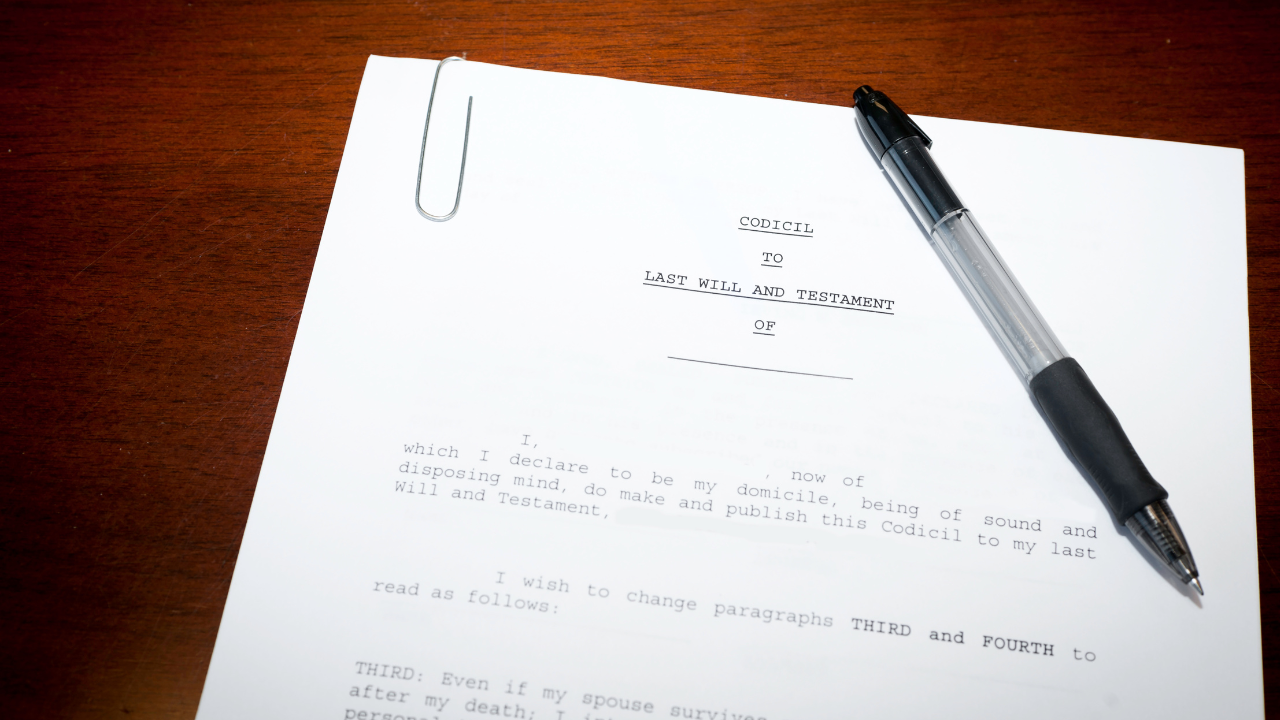
A codicil is a written amendment that changes specific parts of an existing last will and testament while leaving the rest of the document as written. This guide breaks down what a codicil is, how it operates as a focused will amendment, and why following Oklahoma’s formalities matters if you want to avoid probate disputes. You’ll find the state rules for a valid codicil, a step‑by‑step execution checklist, a clear comparison of codicil versus a new will, typical cost drivers for adding a codicil in Tulsa, and practical steps to reduce risk. We also map simple decision rules when a codicil makes sense and when a new will is the safer choice, and explain what happens when you talk with an estate planning attorney about a codicil. By the end, you should have the confidence to decide whether a codicil fits your situation and how to move forward under Oklahoma law.
TL;DR
A codicil is a written amendment to specific parts of an existing will.
Following Oklahoma's legal formalities is crucial to avoid probate disputes.
This guide covers valid codicil rules, execution steps, costs, and risks.
Learn when to choose a codicil versus drafting a new will.
Understand the benefits of consulting an estate planning attorney.
What Is a Codicil to a Will and Why Is It Important?
A codicil is a short, supplemental document that changes, clarifies, or revokes specific provisions in an existing will while leaving the rest of the will intact. It refers back to the original will and states the testator’s intent to modify named clauses, creating a legal connection between the two documents. The main benefit is efficiency: for narrow updates, changing a beneficiary, replacing an executor, or fixing an error, you can amend the will without re‑drafting the whole plan. Because a codicil can affect who receives what, it must use clear language and be executed properly to preserve the testator’s intent and reduce the chance of disputes during probate.
How Does a Codicil Modify or Amend an Existing Will?
A codicil changes a will by identifying the original document, stating the testator’s intent to alter certain provisions, and supplying the new terms that replace or supplement the prior wording. For example, a codicil that changes a beneficiary will name the new beneficiary and explicitly revoke the old clause so the two don’t conflict, while leaving the rest of the will alone. A proper codicil usually includes a heading that references the will, precise amendment language, the testator’s signature, and the required witness attestations so a court can tie the codicil to the original will. Including specific dates, clause numbers, and asset descriptions lowers the risk of misinterpretation and helps the probate court reconcile both documents.
What Are the Common Reasons to Use a Codicil for Will Amendments?
People pick a codicil when they need a quick, focused change rather than a full rewrite of their estate plan. Typical reasons include:
Updating beneficiaries or replacing an executor after a birth, death, or other life event.
Changing guardianship directions for minor children or adjusting guardianship after custody changes.
Adding or clarifying how new assets should be distributed, such as a business interest or digital property.
A codicil is often faster and less costly than drafting a new will, but it works best when the change is limited and won’t create confusion over time.
How Do You Legally Amend a Will with a Codicil in Oklahoma?
To amend a will with a codicil in Oklahoma, you must meet the state’s formal requirements writing, signature, and witness rules, while ensuring the testator had capacity and acted free from undue influence. Oklahoma treats codicils under the same basic rules that validate wills: the document should be signed by the testator and properly attested by the required witnesses. In practice, careful drafting that expressly references the original will, clear revocation language when necessary, and a conscientious signing process help protect the amendment from challenge. Keeping the codicil with the original will and following a reliable signing protocol makes it easier to validate the change at probate.
What Are the Oklahoma Legal Requirements for a Valid Codicil?
In Oklahoma, a codicil must be in writing, signed by the testator, and witnessed according to state rules; Title 84 of the Oklahoma Statutes provides the legal framework for many testamentary formalities. The usual witness requirement is two competent adults who observe the signing and attest to the document; witnesses should not be beneficiaries to avoid conflicts. Testamentary capacity means the testator understands the nature of the act and the extent of their property at the time of signing. Absence of undue influence means the change reflects the testator’s free will. Following these elements, writing, signature, credible witnesses, and capacity reduce the grounds for later challenges.
Oklahoma Standards for Will Execution: The Role of Codicils
Courts may give weight to a properly executed codicil when granting probate, especially when the codicil shows the testator had capacity at the time of execution.
What Is the Step-by-Step Process to Execute a Codicil Properly?
Draft the codicil with a clear reference to the original will and exact amendment language.
Review the draft to ensure it doesn’t conflict with other will provisions.
Arrange for two competent, disinterested witnesses to be present at signing.
Sign the codicil in the witnesses’ presence and have them sign an attestation clause.
Consider notarizing the document for stronger evidence (not required, but recommended), then store the codicil with the original will.
Codicil vs. New Will: When Should You Choose Each Option?
A codicil works well for narrow, limited changes; drafting a new will is better when your estate plan needs a comprehensive overhaul. The right choice depends on how big and permanent the changes are, the risk that multiple amendments will create ambiguity, and whether you need structural changes to the executor, guardianship, or overall distribution. Small beneficiary updates, typos, or an isolated bequest usually fit a codicil. Major life changes divorce, remarriage, significant asset shifts or many cumulative edits, generally mean a new will is the safer choice. Weighing clarity and long‑term certainty will guide the best path for preserving your testamentary intent.
What Are the Advantages and Limitations of Using a Codicil?
Codicils offer practical benefits but come with tradeoffs to consider.
Advantage: Quicker to prepare and often less expensive for a single, focused change.
Advantage: Keeps the original will’s structure intact when most provisions remain accurate.
Limitation: Multiple codicils can pile up and create interpretive problems.
Limitation: A codicil that conflicts with the original will without clear revocation language raises litigation risk.
Before choosing a codicil, balance short‑term convenience against long‑term clarity and probate resilience.
When Is Creating a New Will a Better Choice Than a Codicil?
Choose a new will when changes are broad, frequent, or structural rather than isolated.
When many separate provisions need alteration across the document.
When you want to modernize language, consolidate previous amendments, or simplify interpretation.
When major life events fundamentally change how you want assets distributed (divorce, remarriage, major business transactions).
What Is the Cost to Add a Codicil to a Will in Tulsa, OK?
Price depends on complexity, how much attorney help you need, and how quickly you need the work done. Key cost drivers include the scope of the change, whether the attorney must research unusual issues, and how many documents need review. Simple codicils, one beneficiary swap, or a brief clarification take less time and cost less than amendments involving businesses, real estate, or contested matters. Local lawyers use different fee models; a clear flat fee gives predictable pricing and reduces surprises. For an accurate estimate, schedule a consultation so an attorney can scope your situation and provide a tailored quote.
How Does Wiszneauckas Law’s Flat-Fee Structure Work for Codicil Services?
Wiszneauckas Law LLC focuses on transparent, flat‑fee pricing so clients know costs up front. Their flat‑fee codicil service generally includes drafting the amendment, advising on witness and execution steps, and offering guidance on storage so the codicil pairs cleanly with your existing will. The firm uses technology to streamline communication and document delivery, which helps avoid surprises and keeps clients informed. To get a precise price, schedule a free consultation, and the attorney will outline what’s included in your flat fee.
What Factors Influence the Cost of Drafting a Codicil?

Several things change how much attorney time (and therefore money) a codicil requires.
How complex the changes are modifying business interests or detailed asset descriptions takes longer.
Whether statutory or cross‑jurisdictional research is necessary for specialized assets like digital property.
How many documents must the attorney review, and whether a new will would be wiser?
How quickly you need the work and whether the attorney must coordinate in‑person witnesses or notarization.
Knowing these factors ahead of time helps you plan and choose the fee arrangement that fits your needs.
What Are the Common Challenges and Legal Risks Associated with Codicils?
Codicils can be challenged or thrown out when formalities are flawed, capacity is questioned, or undue influence is alleged, so careful drafting and execution matter. Courts often scrutinize ambiguities between a codicil and the original will, improper signatures, or witnesses who lack competence. To reduce risk, use clear language, choose impartial witnesses, document the testator’s capacity and reasons for the change when appropriate, and involve an attorney to confirm statutory compliance. Anticipating potential probate issues and keeping contemporaneous records can substantially lower the chance of costly litigation.
How Can a Codicil Be Challenged or Declared Invalid in Oklahoma?
Common grounds to contest a codicil in Oklahoma include lack of testamentary capacity, undue influence, improper witnessing, or failure to meet statutory formalities under Title 84. For instance, if the testator lacked the necessary mental capacity when signing or if someone coerced the change, a court may invalidate the codicil. Missing witness signatures or clear conflicts with the original will can also trigger judicial scrutiny. Understanding these risks makes it easier to take preventive steps that strengthen enforceability.
Testamentary Incapacity and Undue Influence: Impact on Wills and Codicils
If a person lacks testamentary capacity when signing a will or codicil, the entire act can fail; undue influence, however, may void only the portion affected by the improper influence.
What Steps Can You Take to Avoid Legal Disputes Over Codicils?
Being proactive makes a codicil harder to contest and helps protect your family’s intentions.
Use attorney‑drafted language to reduce ambiguity and ensure correct legal phrasing.
Document the testator’s capacity and reasons for the change with contemporaneous notes when appropriate.
Choose two competent, disinterested witnesses and, when useful, add notarization for extra evidentiary weight.
Store the codicil with the original will and notify the executor or your attorney so the amendment is found promptly.
These practical steps lower the chance of a successful challenge and help ensure the codicil reflects the testator’s independent intent.
When Should You Schedule a Consultation to Amend Your Will with a Codicil?
Schedule a consultation whenever the change is more than a clerical fix, involves meaningful assets, could spark disputes, or when you want assurance that Oklahoma formalities are met. Red flags include business interests, blended‑family issues, digital assets, recent major life events, or any ambiguity in the original will that a codicil might worsen. A consultation will determine whether a codicil is enough or whether a new will is safer, and it will help you plan the execution details, witnesses, notarization, and secure storage. For tailored guidance, schedule a free consultation to review your will and proposed changes.
Testamentary Capacity and Codicils: A Psychological Perspective
Legal scholars note the importance of considering a testator’s psychological state when evaluating the validity of a will or codicil this is especially relevant for elderly individuals who may be vulnerable to undue influence or cognitive decline.
How Can Wiszneauckas Law Help You with Personalized Codicil Drafting?
Wiszneauckas Law LLC provides attorney‑led drafting and review with an emphasis on clear language, transparent flat fees, and a client‑focused process that protects your intentions and your family. The firm uses technology to speed document preparation and communication while giving close attention to legal detail, drafting precise amendment language, advising on proper witness and notarization steps, and helping you store the codicil with your original will. A complimentary consultation will confirm whether a codicil or a new will is the right choice and deliver a written flat‑fee quote once the work is scoped. To discuss your needs, schedule a free consultation.
What Questions Should You Ask During Your Codicil Consultation?
For quick answers to common concerns, the firm’s FAQs can be a helpful starting point.
Bring a short checklist to your consultation so the meeting is focused and productive.
Ask whether your proposed change can be handled with a codicil or if a new will is recommended.
Ask exactly what the flat fee covers and whether notarization, storage, or follow‑up services are included.
Ask about witness requirements and how the attorney will help coordinate proper execution.
Ask how the codicil will be stored and referenced alongside the original will to ensure it’s discoverable during probate.
Key triggers to consult: Complex assets, potential disputes, or multiple revisions.
What a consultation covers: Document review, legal recommendation, execution plan, and price estimate.
Next actions: Choose codicil vs. new will, schedule drafting, and arrange execution logistics.
This checklist helps you move from decision to execution with legal clarity and peace of mind.
Frequently Asked Questions
What is the difference between a codicil and a new will?
A codicil amends specific provisions of an existing will without replacing the entire document it's best for minor updates like changing a beneficiary or fixing a mistake. A new will replaces the old one and is appropriate when you need wide‑ranging changes, such as altering overall asset distribution or responding to major life events like marriage or divorce. The scope of the changes will tell you which option makes sense.
Can a codicil be contested in court?
Yes. A codicil can be challenged on grounds such as lack of testamentary capacity, undue influence, improper witnessing, or failure to follow statutory rules. If someone believes the codicil doesn’t reflect the testator’s true intent or was executed incorrectly, they may contest it. Careful drafting and proper execution reduce that risk.
How can I ensure my codicil is valid and enforceable?
Follow Oklahoma’s requirements: put the codicil in writing, sign it in the presence of two competent witnesses who are not beneficiaries, and consider notarizing the document for stronger evidence. Use clear, precise language and consult an estate planning attorney to confirm compliance with formalities.
What should I do if I have multiple codicils?
Review them to make sure they don’t conflict with each other or with the original will. Conflicting provisions create confusion at probate. If you have several codicils or complicated changes, consolidating everything into a new will is often the better option. An attorney can help streamline and clarify your estate documents.
What happens if I lose my codicil?
Losing a codicil can complicate probate, especially if the original will and the codicil contain different instructions. Keep the codicil with the original will in a secure place and tell the executor or your attorney where it’s stored. If a codicil can’t be found, the probate court may follow the original will instead; an attorney can advise the best next steps.
How often should I review my codicil?
Review your codicil after major life events marriage, divorce, births, deaths, or significant asset changes or every few years. Changes in your circumstances or the law may require updates to ensure your codicil reflects your current wishes and remains valid under Oklahoma law.
Make Targeted Changes Now
Knowing how codicils work helps you make informed choices about amending your will. A codicil can provide a fast, cost‑effective way to make targeted changes while keeping your original testament intact but only when executed clearly and correctly. For tailored advice and to confirm the best path for your estate, consider scheduling a free consultation with us. Take that step to protect your wishes and bring peace of mind to your loved ones.