
Special Needs Planning Attorney in Tulsa, OK
You want to make sure your loved one is taken care of after you're gone. But leaving them money directly through a will, a beneficiary designation, or even a well-meaning gift can disqualify them from the Medicaid and SSI benefits they depend on. Special needs planning makes sure you can do both.
Licensed in Oklahoma
WealthCounsel Member Attorney
Oklahoma Bar Association
Leaving Money Directly to Someone With Disabilities Can Take Away the Support They Need Most.
Medicaid and Supplemental Security Income (SSI) are means-tested benefits, meaning they're only available to people whose income and assets fall below certain limits. For a person with disabilities who relies on these programs for healthcare and basic financial support, receiving an inheritance, a legal settlement, or even a gift above a small threshold can push them over those limits and disqualify them from benefits, sometimes immediately.
This happens to families who had every intention of helping their loved one. A parent leaves money in a will. A grandparent names a grandchild as a beneficiary. A settlement from an injury case is paid directly. In each situation, the result is the same: the person with disabilities receives assets that put their benefits at risk, and the family has to scramble to fix a problem that proper planning would have prevented entirely.
Special needs planning is relevant for your family if:
You have a child, sibling, or other family member with physical or cognitive disabilities
Your loved one receives Medicaid, SSI, or other means-tested government benefits
You want to leave assets to your loved one without disrupting their benefits
Your loved one has received or may receive a legal settlement
You're updating your estate plan and want to make sure your loved one is included correctly
You're concerned about what happens to your loved one when you're no longer able to care for them

How We Build Your Special Needs Plan
1
We start with a 90 minute consultation
We talk through your loved one's situation including their disabilities, their current benefits, their care needs, and your goals for their future. We also look at your broader estate plan to understand how everything connects.
2
We design the right structure
There are different types of special needs trusts for different situations like a third-party trust funded by a parent or family member, a first-party trust funded by the beneficiary's own assets, and a pooled trust for smaller amounts.
3
We draft the trust and coordinate the full plan
The trust is drafted under Oklahoma law and reviewed alongside your will, any revocable trust, beneficiary designations, and powers of attorney. We make sure every document that could affect your loved one is updated to direct assets to the trust, not directly to them.
Special needs planning often requires updating multiple documents, not just creating the trust. We look at the full picture so nothing is missed.
What Special Needs Planning Includes
-
The most common type of special needs trust for families doing estate planning. Funded by a parent, grandparent, sibling, or other third party, not by the beneficiary's own assets. Assets in a third-party trust do not count toward Medicaid or SSI eligibility, and when the beneficiary passes, the remaining assets go to the family's chosen beneficiaries rather than being subject to government payback requirements.
-
Funded with assets that belong to the person with disabilities, such as an inheritance received directly, a personal injury settlement, or savings accumulated before the trust was established. A first-party trust protects those assets from disqualifying the beneficiary from benefits, but it comes with a Medicaid payback requirement at the beneficiary's death. We advise on the right type of trust based on the source of the assets.
-
A Special Needs Trust needs to be administered carefully to preserve the beneficiary's eligibility. Distributions from the trust can only be used for specific purposes, supplementing government benefits, not replacing them. We explain the rules to the trustee and provide guidance on how the trust should be managed to stay within eligibility requirements over time.
-
One of the most common and overlooked special needs planning mistakes is failing to update beneficiary designations. If a life insurance policy, retirement account, or other asset names a person with disabilities directly as a beneficiary, that inheritance could disqualify them from benefits the moment it's received. We review all beneficiary designations as part of every special needs planning engagement.
-
A letter of intent is not a legal document, but it may be the most important thing a parent can leave behind. It communicates everything a future caregiver needs to know: your loved one's daily routine, medical needs, preferences, relationships, and what a good life looks like for them. We help families think through and document this information as part of a complete special needs plan.
-
Your will, your revocable trust, your powers of attorney, and your beneficiary designations all need to be reviewed and updated to work alongside the Special Needs Trust. A will that leaves assets directly to a person with disabilities even with the best intentions can undo everything the trust was meant to accomplish.
What Our Clients Had To Say

Planning That Protects Your Loved One for the Long Term
Wiszneauckas Law is a WealthCounsel member firm, licensed in Oklahoma and a member of the Oklahoma Bar Association, director of Corporate Planning. A graduate degree in Biblical counseling. Then law school at one of the country's top IP programs.
Special needs planning requires more than drafting a trust, it requires understanding how government benefit programs work, how trust administration affects ongoing eligibility, and how every document in your estate plan interacts with your loved one's situation.
Geoff holds a graduate degree in Biblical counseling and is a certified counselor through ACBC. These conversations are often some of the hardest families have — thinking about what happens to a child or sibling after you're gone. We approach every special needs planning engagement with the care and honesty that those conversations deserve.
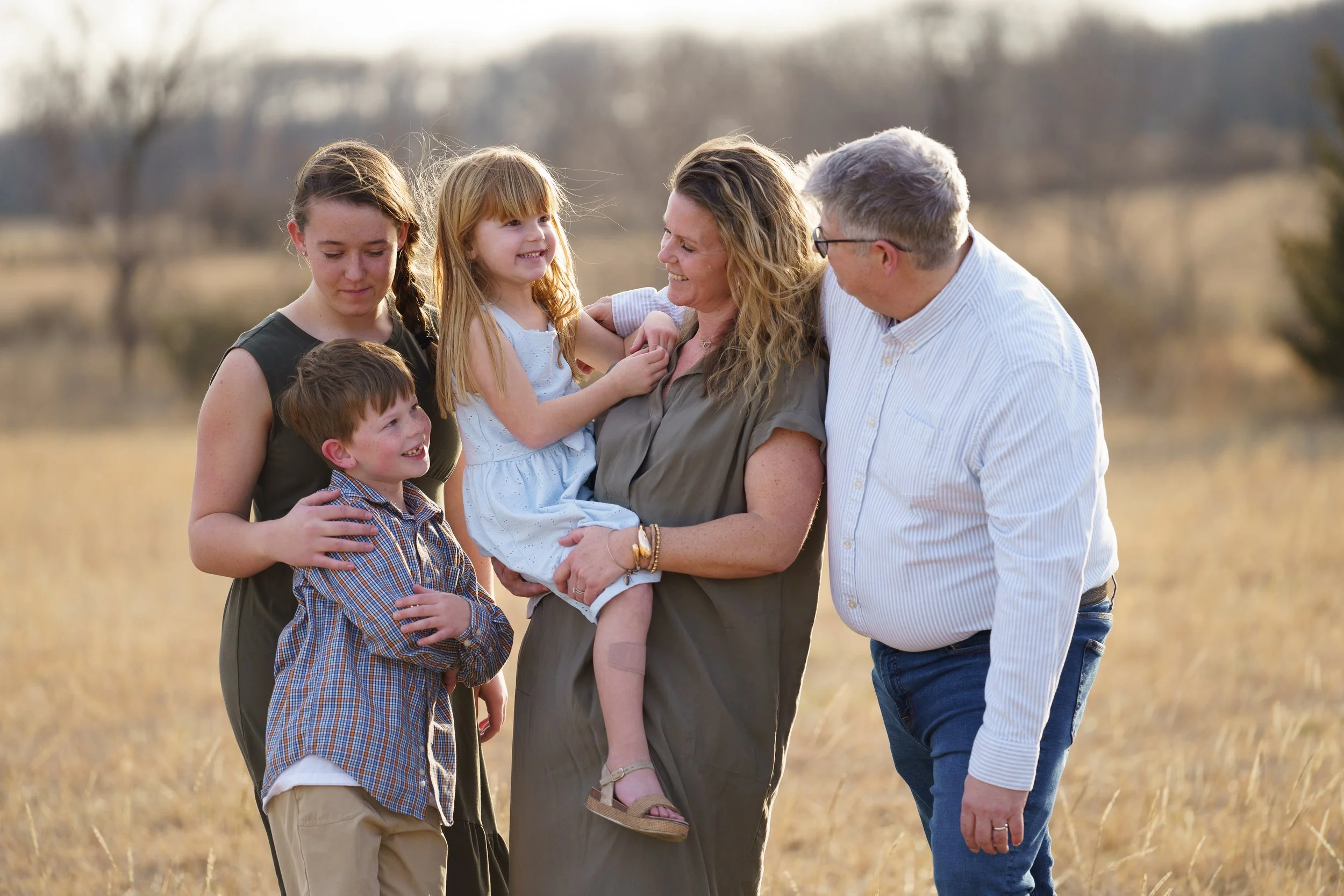
The People Who Need This Plan the Most Are the Ones Who Can't Ask for It Themselves.
A Special Needs Trust is one of the most meaningful things a family can put in place. It protects a loved one's benefits, preserves their quality of life, and gives you peace of mind that someone has thought carefully about their future. Let's have that conversation
Want to Know More About Special Needs Planning in Tulsa, Oklahoma?
For families with a loved one who has disabilities, estate planning isn't optional, it's urgent. The wrong decision, made by someone who didn't know the rules, can strip a person with disabilities of the Medicaid and SSI benefits they depend on for healthcare and basic financial support. A properly structured Special Needs Trust prevents that from happening, and makes it possible to provide financial support that genuinely improves your loved one's quality of life without putting their benefits at risk.
There are different types of special needs trusts for different situations. A third-party Special Needs Trust is typically the right structure when a parent, grandparent, or other family member wants to leave assets for a loved one with disabilities as part of their estate plan. A first-party trust addresses assets that belong to the person with disabilities directly, such as an inheritance received before a trust was established or a personal injury settlement. We identify the right structure based on your family's specific situation.
Special needs planning also requires updating the other documents in your estate plan. A will that leaves assets directly to a person with disabilities can undo the trust. Beneficiary designations that name them directly on a life insurance policy or retirement account can do the same.
We help families throughout Tulsa and the surrounding communities put special needs plans in place like Broken Arrow, Owasso, Jenks, Bixby, Sand Springs, Sapulpa, Claremore, Bartlesville, Muskogee, Wagoner, Pryor Creek, and across northeastern Oklahoma. Virtual consultations are available for families anywhere in the state.
Wiszneauckas Law is located at 2626 E 21st St Suite 5, Tulsa, OK 74114. To schedule your free 90-minute consultation, call (918) 918-9479 or visit wiszlaw.com.
Frequently Asked Questions
-
A Special Needs Trust is a legal trust designed to hold assets for a person with disabilities without disqualifying them from means-tested government benefits like Medicaid and SSI. Assets in a properly structured Special Needs Trust are not counted toward the eligibility limits for those programs, allowing the beneficiary to receive both the trust's financial support and the government benefits they depend on.
-
A Special Needs Trust is designed to supplement government benefits, not replace them. It can pay for things that Medicaid and SSI don't cover: personal care items, clothing, electronics, entertainment, travel, education, therapy, and other quality-of-life expenses. It generally should not be used for basic food and shelter costs that Medicaid and SSI are meant to cover, as those distributions can reduce the beneficiary's benefit amount. The trustee needs to understand these rules and administer the trust accordingly.
-
If a person with disabilities receives an inheritance directly whether through a will, a beneficiary designation, or a gift that money counts as their personal asset. Once their assets exceed the SSI limit (currently $2,000 for an individual) or Medicaid's asset limit, they can lose their benefits sometimes immediately. The money then has to be spent down before benefits can be reinstated. A Special Needs Trust prevents this by holding the assets in a structure that doesn't count against eligibility.
-
The trustee manages the trust and makes distribution decisions on behalf of the beneficiary. This is a significant responsibility that requires understanding the rules around benefit eligibility. Many families name a trusted family member a sibling or other relative but it's important that the trustee understand the administration rules or have professional guidance available. Some families use a professional trustee or a pooled trust administered by a nonprofit organization for smaller trust amounts.
-
A third-party Special Needs Trust is funded by someone other than the beneficiary, typically a parent or family member as part of their estate plan. When the beneficiary passes, remaining assets go to the family's chosen beneficiaries. A first-party Special Needs Trust is funded with the beneficiary's own assets, such as an inheritance received directly or a legal settlement. First-party trusts come with a Medicaid payback requirement, meaning the state can recover what Medicaid paid for the beneficiary's care from trust assets remaining at death. The right type depends on the source of the assets.
-
A properly structured Special Needs Trust should not affect SSI eligibility since the assets inside the trust are not counted as the beneficiary's resources. However, distributions from the trust can affect SSI if they're used for food or shelter, which can reduce the monthly benefit amount. Careful trust administration understanding what to pay for directly and what to avoid is essential for preserving the full SSI benefit.
-
For a third-party Special Needs Trust, the remaining assets pass to the family's chosen beneficiaries, typically the parents' other children or other named heirs. There is no Medicaid payback requirement for a third-party trust. For a first-party Special Needs Trust, the remaining assets are subject to Medicaid estate recovery; the state can make a claim to recover what Medicaid paid for the beneficiary's care. This distinction between trust types is one of the most important planning considerations for families.
-
Yes, and this is one of the most important steps families miss. Your will needs to direct any assets intended for your loved one to the Special Needs Trust, not to them directly. The same applies to beneficiary designations on life insurance policies, retirement accounts, and other assets. If those documents name your loved one directly, they could receive assets in a way that disrupts their benefits regardless of what the trust says. We review all of these documents as part of every special needs planning engagement.
You Might Also Need
-

Medicaid Planning
For families navigating a loved one's long-term care needs alongside special needs planning, Medicaid planning may also be relevant. The rules interact, and we look at both together to make sure nothing conflicts.
-

Revocable Living Trust
A Special Needs Trust handles assets for your loved one with disabilities. A revocable living trust handles the rest of your estate, avoiding probate and coordinating with your will, powers of attorney, and beneficiary designations. Most families doing special needs planning need both.
-

Wills
Your will needs to direct assets to the Special Needs Trust, not to your loved one directly. If your will hasn't been updated to reflect the trust, the planning is incomplete. We review and update your will as part of every special needs planning engagement.
-

Elder Law
Special needs planning is one piece of elder law. If your family is also dealing with Medicaid, VA benefits, or broader long-term care questions for an aging parent alongside a family member with disabilities, the Elder Law hub is the right place to see the full picture.