
Essential Tips for Storing a Will Safely and Securely

Keeping the original signed will safe and accessible makes it far easier for your executor to locate, prove, and carry out your wishes without unnecessary delay or dispute. This guide walks through practical storage choices—home safes, bank safe-deposit boxes, attorney custody, and secure digital backups—explains how they compare, and highlights Oklahoma-specific rules that affect safekeeping and retrieval. You’ll find step-by-step actions an executor can take after a death, tips to reduce the risk of loss or contest, and simple organization systems to make estate settlement smoother. We also explain when to call a lawyer, how an attorney can store originals and help with probate, and include clear checklists and tables so you can pick the and assets.
TL;DR
Importance: Secure storage ensures your will is found, proven, and executed without delay or dispute.
Storage Options: Explore home safes, bank safe-deposit boxes, attorney custody, and digital backups.
Oklahoma Focus: Understand state-specific rules for safekeeping and retrieval.
Executor Guidance: Learn steps for executors to locate and access wills after death.
Risk Reduction: Tips to prevent loss, damage, or contests of your will.
Professional Help: When and how an attorney can assist with storage and probate.
Comprehensive Planning: Organize your will with other essential estate documents.
Why Secure Storage for Your Will Matters
Securely storing the original will protects your testamentary intent by preserving the signed document, maintaining evidence of execution, and lowering the chance that loss or damage will delay probate or spark disputes. When an executor can present the authentic will promptly, the court can act quickly and your wishes are more likely to be honored without extra expense. Proper safekeeping—especially when it preserves witness affidavits or self-proving statements—also reduces the chance of successful contests. Below we outline and show how the right choices protect families and executors.
Risks of Storing a Will Improperly
Poor storage can expose the original will to fire, flood, theft, misplacement or unauthorized changes, any of which can delay probate or result in intestacy if no valid original is found. Misfiling or a hidden safe can create uncertainty that leads to litigation and extra cost for heirs. Without the original signatures or a self-proving affidavit, the court may require additional evidence or reconstruction. Taking straightforward steps to secure the original and telling trusted people where it is greatly reduces these risks and preserves legal certainty when the .
How Secure Storage Protects Your Family and Your Estate
When your will is kept safely and access is clear, executors can find and present the original quickly, cutting administrative delay and legal bills for surviving loved ones. Preserving original signatures, witness affidavits, and any self-proving documents helps ensure the will is admitted without extra proof. Professional storage options often provide documented and retrieval procedures that streamline probate for both courts and executors. With the right storage plan and clear communication to your executor, families get greater peace of mind and a smoother transfer of assets.
Best Options for Storing Your Will Securely
Choosing where to keep your will is a balance of security, access, cost, and legal practicality. Common solutions include a certified home safe, a bank safe-deposit box, attorney custody, and encrypted digital repositories. Each option trades off immediate accessibility for physical protection or legal safeguards, so the best choice depends on your priorities and family situation. Below is a quick comparison to help you weigh security level, likely access after death, typical cost, and who benefits most from each approach. After the table we unpack practical tips and where into a broader plan
How common storage options compare on security, access, cost, and :
A Home safe (fireproof) is defined by the Key Attribute of easy access for the owner and their family. The Typical Outcome is that it provides immediate family access alongside moderate protection against fire and theft.
A Safe deposit box is characterized by strong physical protection, offering high security. However, its Typical Outcome is that access may require court steps for the executor, which can lead to delays in starting the estate administration process.
Attorney will storage is distinguished by the Key Attribute of offering legal support & custody. The benefit is a documented chain-of-custody and executor assistance, which actively simplifies probate by having a legal professional ready to produce the document.
Finally, Digital storage (encrypted) provides a Key Attribute of backup & convenience. The Typical Outcome is fast access to copies of the document, although it is crucial to remember that the originals are usually still required for probate and the digital file serves mainly as a secure backup and reference.
No single solution fits every estate. The following sections explain the pros, cons, and practical tips for each option so you can decide what’s right for your family.
Pros and Cons of Keeping a Will at Home
Storing the original will in a certified fireproof and waterproof safe at home gives trusted family immediate access and carries a low ongoing cost. It’s a good option for people who want direct control and easy updates. The downside is exposure to theft or disaster and the risk that family members won’t know where the key or code is stored. To reduce those risks, choose a certified safe, keep a short safe-inventory note, and tell your executor the location and access method without broadcasting it widely. For many smaller estates, home storage plus a backup copy with an attorney offers a sensible balance.
Home storage — practical tips:Immediate access: Original available to trusted family when needed. Low ongoing cost: One-time safe purchase is often cheaper than rental fees. Control: You keep the document and can update it easily.
If you need stronger physical protection, consider whether a bank safe-deposit box makes sense.
Should You Use a Safe-Deposit Box?
A bank safe-deposit box protects paper documents from theft and many environmental hazards, and banks maintain strict physical security. The most important drawback is access after death: many banks will not release a deceased customer’s box without an executor’s documentation or a court order, which can delay retrieval and probate. There are also recurring rental fees and limited access hours. A common compromise is to keep a copy at home or with your attorney and store originals or key documents in the safe-deposit box—while ensuring your executor understands the bank’s access rules and any necessary legal steps.
Safe-deposit box considerations:Excellent physical security but potential access delays for the executor. Plan ahead so the executor knows what documents or court steps may be required. Use redundancy: combine bank storage with another accessible copy.
How Attorney Will Storage Works and Why It Helps
When an attorney stores your will, the firm typically takes custody of the original in a secure vault, records chain-of-custody, and maintains a registry that makes retrieval straightforward. At the testator’s death the attorney can notify the executor, produce the original for probate, and help with administration. Attorney storage reduces search time, preserves evidentiary proof, and can lower the risk of contests because custody and receipt are documented. Consider whether the fee for attorney custody is worth the convenience and legal protection it provides for your situation and discuss options with your counsel.
For more information about legal services or to arrange storage, .
Attorney storage benefits:Documented custody that supports probate admissibility. Legal assistance to guide the executor through filings and procedures. Coordination for updates so the latest document is clear.
Digital Will Storage and Electronic Signatures — What to Know
“Digital storage” ranges from scanned copies in encrypted cloud folders to dedicated digital wills and, in some states, fully electronic wills created under statute. In most cases a scanned copy will not replace the original signed paper will for probate. If you keep digital copies, follow security best practices: strong encryption, multi-factor authentication, and a secure password manager. Laws about electronic signatures and e-wills vary by state—check with counsel before relying on an electronic-only approach. Treat digital solutions as dependable backups and organizational tools, not the sole repository for your original testamentary documents.
Digital storage quick tips:Use digital copies only as backups, not replacements for originals. Protect accounts with encryption and multi-factor authentication. Confirm legal validity locally before depending on electronic wills.
How Executors Find and Access a Will After Death
After a death the executor’s first job is to find the original will and supporting documents so probate can move forward. Follow an ordered search: contact the decedent’s attorney, check safes and likely filing places at home, review bank records for safe-deposit box rentals, and look for any digital account inventories or mail that indicate registered storage. Depending on the storage method, you may need a death certificate, photo ID, or a court order to gain access—knowing the requirements up front avoids delays. The sections below give a step-by-step checklist, explain options if the will is missing, and stress why advance notification to your executor matters.
Executor Checklist: Where to Start
Start by calling the decedent’s attorney or law firm to ask whether the original will is held in attorney storage. If not, search the home for safes, labeled filing boxes, or notes that identify storage. Check bank records for a safe-deposit box and confirm the bank’s access rules. At the same time gather the death certificate, photo ID, and any self-proving affidavits or witness contact information to speed probate filings. Prioritizing these steps reduces confusion and helps the administration proceed more quickly.
Executor first steps (summary):Contact the decedent’s attorney or law firm. Search the home for safes and filing locations. Check bank records and collect essential documents for probate.
If the Original Will Is Lost or Destroyed
If no original can be found, the estate may be handled under intestacy rules unless the will can be reconstructed from copies, drafts, witness testimony, and other evidence showing the testator’s intent. Reconstruction is often time-consuming and can become contentious; prompt legal help preserves evidence and contacts witnesses while memories are fresh. Executors facing a missing or destroyed will should consult an attorney quickly to evaluate reconstruction paths and limit delays and disputes.
Why You Should Tell Your Executor Where the Will Is
Letting your executor know where the original will and supporting documents are stored avoids lengthy searches during an already difficult time. Leave brief written instructions in a secure but accessible place and consider naming a second trusted contact who knows necessary access details. Balance security (don’t broadly publicize codes or keys) with the need for practical access. Advance notification also lets the executor confirm bank or attorney procedures ahead of time and prepare required documents, cutting stress and delay for the wealth preservation plan.
Oklahoma Rules and Legal Requirements for Will Storage
Rules about will formalities and practical safekeeping vary by state. In Oklahoma, testators should pay attention to statutory provisions—found in Oklahoma Statutes Title 84—that affect execution, witness requirements, and how originals are handled in probate. Witness signatures and self-proving affidavits influence whether a will can be admitted without further evidence, so preserving all original execution paperwork is important. Because statutes and court practices can change, consult an attorney about current Oklahoma rules and how choices like attorney custody or safe-deposit boxes may interact with local probate procedures. Keeping originals together with any self-proving affidavits is generally the most reliable approach.
Oklahoma Law and Will Safekeeping
Oklahoma law sets formalities for will execution and courts typically prefer original signed documents for probate unless a copy is supported by corroborating evidence. That makes safekeeping originals—in places that preserve signatures and affidavits—a practical legal safeguard. Since statutory language and court interpretation can evolve, check with counsel about the current rules and how different storage methods affect probate practice in Oklahoma.
How Witness Rules Affect Storage Choices
Because witness signatures and self-proving affidavits help prove that a will was validly executed, your storage plan should keep those original pages together with the will. If witnesses are unavailable later, a self-proving affidavit attached to the original usually allows probate admission without live witness testimony. Attorney storage often preserves these documents together and documents custody, which improves the will’s admissibility. When choosing storage, think about how the method preserves witness-related evidence needed for smooth probate.
When and How to Update Your Will
Review and update your will after major life events—marriage, divorce, the birth of a child, the death of a beneficiary, or significant changes in assets. When you replace or amend a will, follow formal execution steps and either destroy superseded originals or mark them clearly as void so there’s no confusion. Store the new signed original in your chosen secure location and notify your executor of the change. For codicils or minor amendments, keep them with the main original or have your attorney attach and file them so the most recent controlling document is evident. Good recordkeeping, including a dated index of the active document, helps prevent disputes and clarifies intent for the executor and the court.
Documents to Store With Your Will for Complete Planning
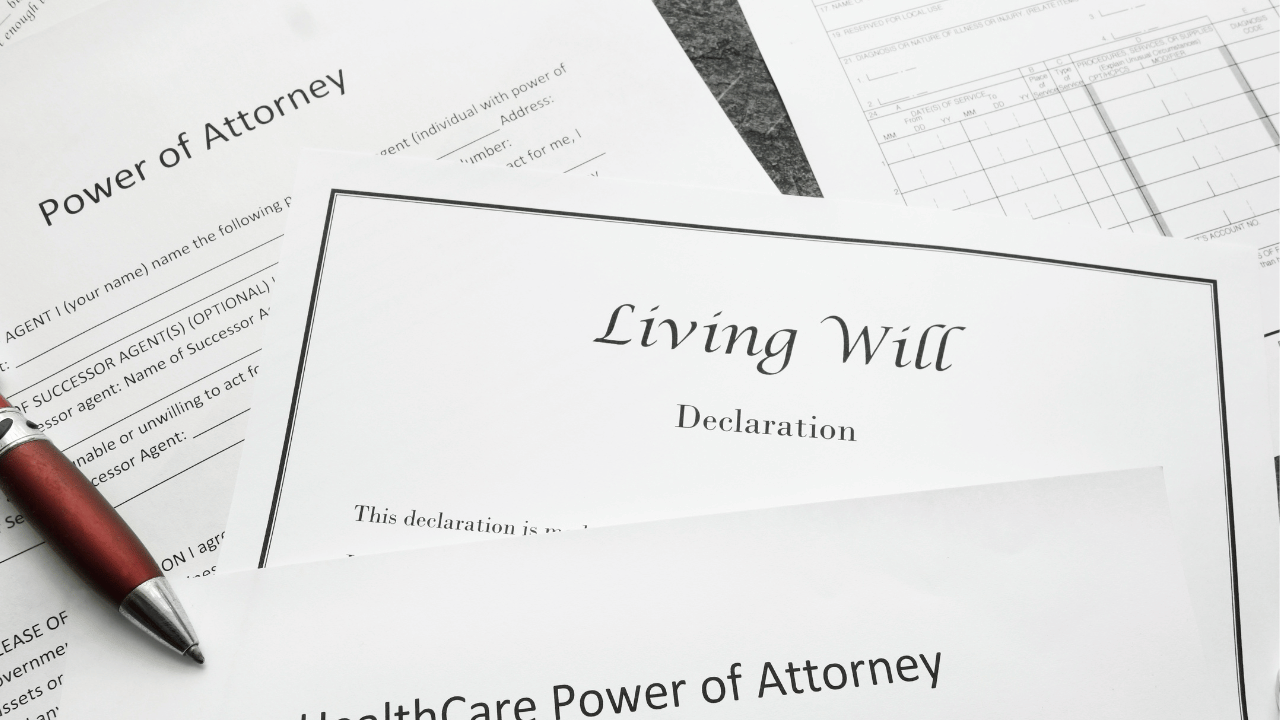
Your will should be part of an organized estate packet that includes documents needed for incapacity planning and estate administration. Important items include durable powers of attorney (financial and healthcare), advance directives, trust paperwork, beneficiary designations, account statements, insurance policies, and an asset inventory with account numbers and passwords. Keep these materials in an indexed folder—physically in a secure place or encrypted digitally with controlled access—so executors and agents can act quickly and accurately. Below is a table mapping core documents to recommended storage methods and practical notes.
Essential Documents to Keep With Your Will
Keep a concise checklist of documents that should accompany or be referenced by the will so agents and executors can respond to incapacity or death without delay. The file should include the original will, copies of any trusts, durable powers of attorney, advance health care directives, beneficiary designation records, recent account statements, and an asset/inventory list with professional contact information. Originals should live in the most secure location (attorney vault or fireproof safe), while trusted agents can hold certified copies or secure digital access. An indexed folder with quick-reference pages speeds administration and reduces the chance that an asset is overlooked.
Documents to include in your estate file: Durable financial power of attorney so someone can manage finances during incapacity. Advance health care directive and any medical proxy or instructions. Trust documents and beneficiary designations that distribute assets outside of probate.
Storing Powers of Attorney and Advance Directives
Powers of attorney and advance directives must be accessible to the people you name when they become necessary. Keep originals in a secure place and give trusted agents certified copies or notarized copies they can present. Encrypted digital copies are useful backups, but confirm whether banks, hospitals, and other institutions in your area accept such copies—bring originals or certified copies when immediate action is required. Tell your agents where originals are stored and provide any credentials or instructions they need so they can act without delay in an emergency.
Organizing Financial and Asset Information with Your Will
Put together an indexed asset inventory that lists bank and investment accounts, insurance policies, property deeds, and digital accounts, and note where passwords and keys are kept. Update this inventory regularly and store it with or near the will. Use a secure password manager for online credentials and include instructions for emergency access. Keep contact information for advisors, accountants, and attorneys current. A concise and beneficiaries at the front of the file shortens administration time and lowers the chance of missed property during probate.
Organization checklist:Create an indexed folder with account numbers and policy details. Use encrypted backups and a secure password manager for digital credentials. Keep contact details updated for advisors and institutions the executor will need.
When to Get Professional Help with Will Storage and Estate Planning
Seek professional help when an estate is complex, when business interests or blended-family arrangements exist, or when you want coordinated custody and probate support that reduces the executor’s burden. Attorneys advise on storage choices, keep documented custody of originals, and guide executors through probate steps that can otherwise be confusing or slow. For many clients, paying for attorney storage plus coordinated estate planning offers clear peace of mind and a roadmap for administration. The sections that follow explain how Wiszneauckas Law supports secure will storage locally and outline common processes and fee considerations.
How Wiszneauckas Law Helps with Secure Will Storage in Tulsa, OK
At Wiszneauckas Law LLC we focus on practical estate planning. Our keeps originals secure while offering hands-on executor support and comprehensive planning. Attorney has over 20 years of experience, and our practice emphasizes personalized planning, transparent flat fees, and clear communication for clients in Tulsa and the surrounding area. We maintain secure custody of originals, track chain-of-custody, and coordinate with executors to speed probate filings when needed.
How our service benefits clients:Custom planning tailored to each family and asset structure. Transparent flat fees so you know costs up front. Hands-on executor coordination to reduce administrative burden at a difficult time.
To learn more or arrange secure storage, please .
Process and Typical Cost for Attorney Will Storage
Attorney will storage usually starts with a consultation to review your documents, confirm formalities, and arrange for the original to be received or drafted for secure storage. The firm logs receipt, stores the original in a secure vault, maintains chain-of-custody records, and records the designated executor so the document can be located efficiently after death. Many firms offer flat-fee packages that include drafting plus storage for predictable pricing; exact fees vary, so contact the attorney for details.
To discuss options and pricing, .
Typical process summary:Initial review and consultation to assess needs and confirm execution steps. Draft or receive the original will and place it in secure storage with documented custody. Notify executor and coordinate retrieval when probate is necessary.
Contact our office to learn more about packages that combine drafting, storage, and executor support.
Frequently Asked Questions
What should I do if I can't find a loved one's will?
If the original will can’t be located, the estate may be distributed under intestacy rules unless the will can be reconstructed with copies, drafts, witness testimony, and other evidence of the deceased’s intent. Reconstruction can be complicated and time-consuming; contacting an attorney quickly helps preserve evidence and witness recollections and offers the best chance to resolve the situation with the least conflict.
Can I store my will digitally?
Digital storage—encrypted cloud services or dedicated repositories—works well as a backup and organization tool, but a scanned copy usually won’t replace the original paper will for probate. If you use digital storage, secure it with strong encryption and multi-factor authentication, and make sure your executor knows how to access it. Always check local rules about electronic wills before relying on a purely digital solution.
How often should I review or update my will?
Review your will every few years or after major life events: marriage, divorce, births, deaths, or significant changes in assets. Regular reviews make sure your will reflects your current wishes. If you update the document, tell your executor where the new original is stored so there’s no confusion when the time comes.
What happens if I move to a different state?
Your existing will may still be valid after a move, but state laws differ on execution and probate. It’s wise to have an estate planning attorney in your new state review your documents to ensure they comply with local requirements and still carry out your wishes effectively.
Do wills need witnesses?
Most states, including Oklahoma, require witnesses for a will to be valid. Witnesses help confirm that the testator signed voluntarily and had capacity. The exact number and formalities vary by state, so follow local . A self-proving affidavit added at signing can make probate easier by removing the need for witnesses to testify later.
How do I change my executor?
To change an executor you must update your will to name a new person. Communicate the change to both the incoming and outgoing executors to avoid confusion. Because this is a legal change, consider working with an attorney to ensure the new document is properly executed under state law.
How can I make sure my will is found after my death?
Tell your executor and a few trusted people where the original will and other key documents are kept. Store the original in a secure location—such as an attorney’s office or a safe-deposit box—and leave clear, written access instructions. Regularly update that information and confirm your executor knows the steps needed to retrieve the documents to avoid delays in probate.
Sort Your Will Now
Safeguarding your will helps ensure your final wishes are honored and spares your loved ones avoidable delay and conflict. Understanding storage options and their legal implications makes it easier to choose the right solution for your family. Professional storage and coordinated planning with an experienced attorney can simplify probate and give lasting peace of mind. Take the next step to protect your legacy by consulting an estate planning attorney today.